The Impact of Diet on Acne:
How What You Eat Can Trigger Breakouts
The Impact of Diet on Acne:
How What You Eat Can Trigger Breakouts
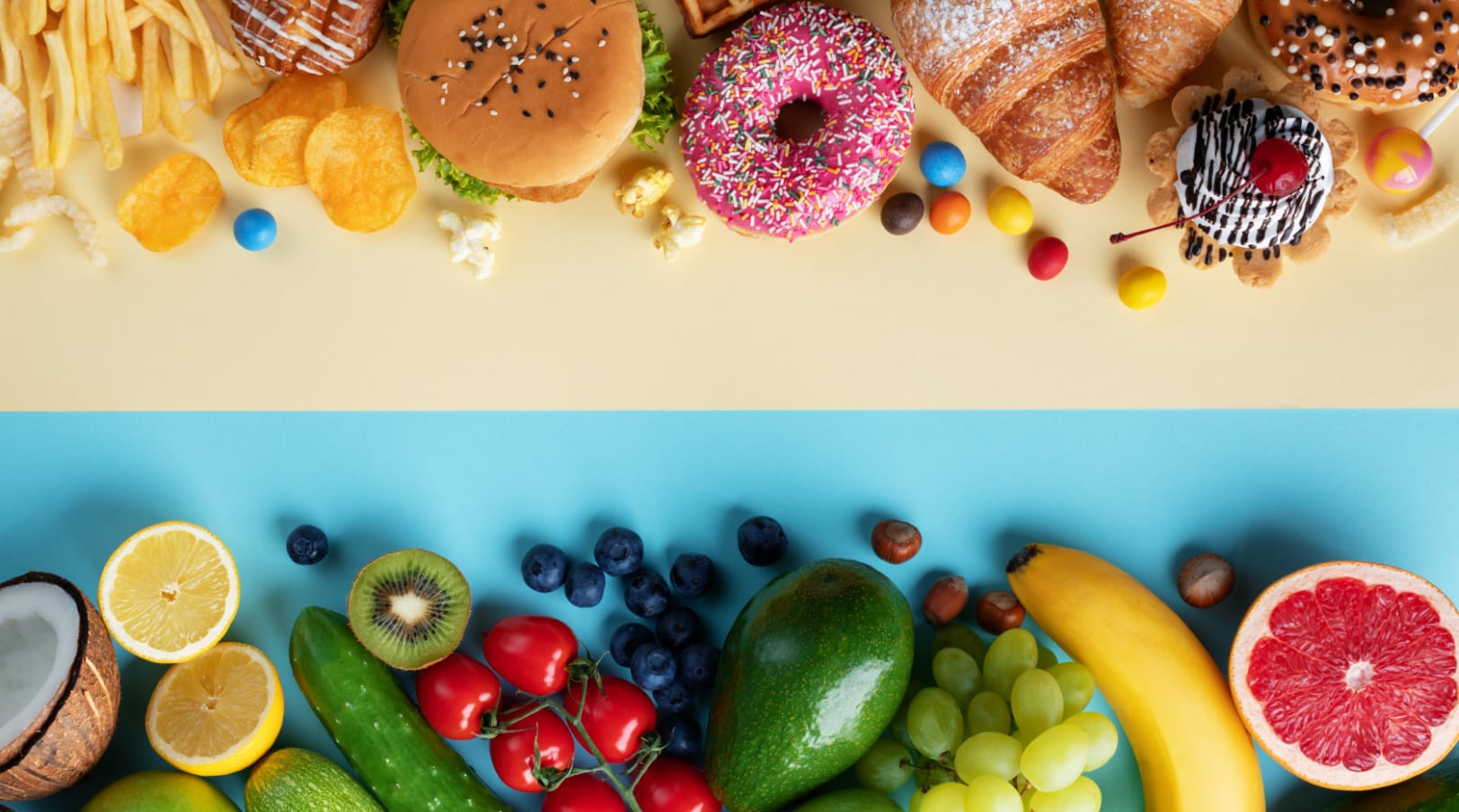
From burgers and fries to chocolate and ice cream, we all love our comfort foods, but our skin might not love them back. While acne is influenced by genetics and hormones, growing evidence suggests that diet can also play a meaningful role in how our skin behaves. Certain foods may trigger inflammation, excess oil production, or hormonal shifts that contribute to breakouts, and the impact varies from person to person.
Understanding how what we eat affects acne empowers us to make smarter, skin-supportive food choices. By identifying potential dietary triggers and focusing on nutrient-rich foods, we can help calm breakouts, support clearer skin, and improve overall skin health without giving up joy entirely. Here’s a breakdown of how diet may affect acne:
High Glycemic Index (GI) Foods
GI foods are often digested quickly and cause rapid spikes in blood sugar. Common culprits include:
• White bread
• Sugary snacks (e.g., candies, pastries)
• Soda
• Heavily processed cereals
These sudden blood sugar increases can lead to elevated insulin levels and stimulate excess sebum (oil) production in the skin. This may trigger hormonal changes linked to acne flare-ups, especially for individuals who are already acne prone. Over time, this cycle may promote inflammation and clogged pores, making breakouts more frequent or severe. Choosing lower-GI alternatives, like whole grains, fiber-rich foods, and balanced meals can help stabilize blood sugar and support clearer skin.
Dairy Products
Dairy products, particularly skim milk, have been linked to acne though the effects can vary from person to person. One possible reason is the presence of natural hormones in milk, which may interfere with the body’s own hormonal balance and stimulate oil production in the skin. In addition, dairy proteins such as whey and casein may trigger inflammatory responses or increase insulin levels, both of which are known to contribute to clogged pores and acne breakouts. For some individuals, reducing dairy intake or switching to non-dairy alternatives can help improve skin clarity, while others may notice little to no change. This highlights the importance of paying attention to how your own skin responds to dairy.
Foods High in Omega-6 Fatty Acids
Omega-6 fatty acids are essential for the body, but when consumed in excess, especially in relation to omega-3s, they may promote inflammation in the body and skin. Many Western diets are heavily skewed toward omega-6 fats, which can contribute to inflammatory processes that worsen acne and slow skin healing. Common sources of omega-6 fatty acids include:
• Corn oil
• Soybean oil
• Vegetable oils
• Many processed and packaged snacks
While these fats don’t need to be eliminated entirely from your diet, balancing them with more omega-3–rich foods such as fatty fish, flaxseeds, chia seeds, and walnuts may help reduce inflammation and support clearer, healthier skin.
Whey Protein Supplements Whey protein supplements, popular in bodybuilding and fitness communities, can sometimes have unintended effects on the skin. Research suggests that whey protein may increase levels of insulin-like growth factor 1 (IGF-1), a hormone that can stimulate excess sebum (oil) production and accelerate skin cell turnover; both of which can contribute to clogged pores and acne breakouts.
For individuals prone to acne, consuming large amounts of whey protein or using it daily may experience harsher flare-ups, even if their diet is otherwise balanced. Those looking to build muscle without compromising skin health might consider alternatives such as plant-based protein powders (pea, hemp, or rice protein) or moderating their whey intake while monitoring how their skin responds.
Chocolate
Chocolate is a favorite treat for many, but some studies suggest it may contribute to acne, particularly milk chocolate. The combination of sugar and dairy in milk chocolate can trigger hormonal responses and increase insulin levels, both of which may lead to excess oil production and clogged pores. Additionally, certain compounds in chocolate may have mild inflammatory effects, which can worsen existing breakouts. Dark chocolate with higher cocoa content and lower sugar may be less likely to aggravate acne, making moderation and mindful choices key for chocolate lovers who want to enjoy their favorite treat without compromising their skin.

Clear Skin from the Inside Out: Essential Nutrients You Can’t Ignore
A diet lacking key nutrients can make acne worse and slow the skin’s natural healing process. Deficiencies in zinc, vitamins A and E, and omega-3 fatty acids have all been linked to increased inflammation, impaired skin barrier function, and higher susceptibility to breakouts. Consuming the right vitamins and minerals can be your secret weapon against breakouts because:
• Zinc supports wound healing and regulates oil production
• Vitamin A helps control skin cell turnover and prevent clogged pores
• Vitamin E acts as a powerful antioxidant, protecting the skin from oxidative stress
• Omega-3 fatty acids help reduce inflammation throughout the body, including the skin
Ensuring a balanced diet rich in these nutrients or considering supplements under the guidance of a healthcare professional can support clearer, healthier skin from the inside out.
Eat Your Way to Clear Skin: Foods That Fight Acne Naturally
Just as certain foods can trigger breakouts, low-glycemic foods that release sugar slowly into the bloodstream, thereby helping to regulate insulin levels and reducing excess oil production may help support clearer, healthier skin. Examples include:
• Whole grains
• Vegetables
• Legumes
While eating Omega-3-rich foods with powerful anti-inflammatory properties that can calm irritated skin and prevent flare-ups. For example:
• Salmon
• Walnuts
• Flaxseeds
Antioxidant-packed foods that protect skin cells from oxidative stress, and help to repair damage and maintain a healthy complexion include:
• Berries
• Leafy greens
• Green tea
Eating probiotic foods that support gut health and reduce inflammation have been increasingly linked to skin balance and reduced inflammation. Foods including:
• Yogurt with live cultures
• Kefir
• Other fermented foods
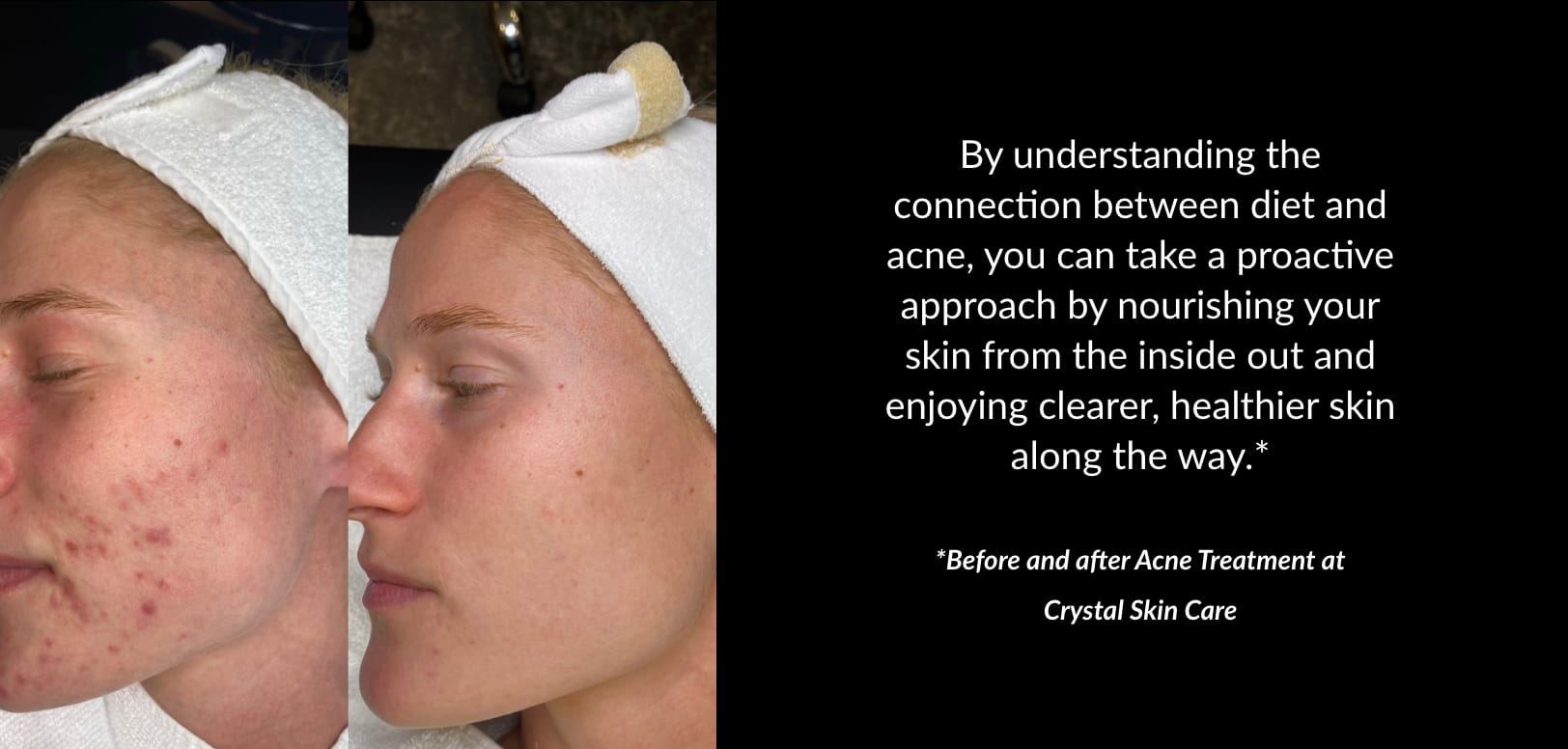
Final thoughts While no single food is a magic cure for acne, being mindful of what you eat can make a noticeable difference in your skin’s health. Reducing foods that trigger inflammation and balancing your diet with nutrient-rich, skin-supportive options gives your body the tools it needs to keep breakouts under control. By understanding the connection between diet and acne, you can take a proactive approach by nourishing your skin from the inside out and enjoying clearer, healthier skin along the way.

Enjoy this crystal-clear skin wisdom?
Share this post!
More Articles